- 1. Introduction: The New Marketing Frontier
- 2. What Actually Is AI in Marketing?
- 3. How AI Cracks the Code of Data Analysis
- 4. Hyper Personalization at Scale
- 5. The Revolution of AI Content Creation
- 6. Transforming Customer Service with Chatbots
- 7. Elevating SEO Strategy through Machine Learning
- 8. Smarter Email Marketing Campaigns
- 9. Managing Social Media via AI Algorithms
- 10. Programmatic Advertising: The Bidding War
- 11. The Human Element: Why Marketers Still Matter
- 12. Potential Challenges and Ethical Hurdles
- 13. The Future Outlook of AI Marketing
- 14. How to Implement AI in Your Business Today
- 15. Conclusion: Embracing the Digital Shift
- 16. Frequently Asked Questions
The Role of AI in Modern Marketing
Have you ever felt like your favorite online store knows exactly what you want before you even search for it? That is not magic; it is artificial intelligence working behind the scenes. We are currently living through a massive shift in how brands communicate with us. The role of AI in modern marketing has moved from a futuristic concept to an everyday necessity for any business trying to stay relevant. It is like having a superpowered assistant that never sleeps, constantly learning, and always ready to optimize your next move.
What Actually Is AI in Marketing?
At its simplest, AI in marketing refers to the use of machine learning, natural language processing, and big data to make automated decisions based on gathered information. Instead of relying on manual guesses, marketers now use algorithms to understand consumer patterns. Think of it as switching from an old paper map to a high tech GPS system that alerts you to traffic jams before you even hit them. It is all about speed, precision, and the ability to handle data volumes that would make a human brain fry within seconds.
How AI Cracks the Code of Data Analysis
Data is the lifeblood of modern business, but raw data is just noise until you give it context. AI acts as a sophisticated filter. It cleans, sorts, and interprets messy user behavior to find gold nuggets of insight. By automating data processing, AI allows teams to spend less time in spreadsheets and more time crafting the strategies that actually move the needle. When you can see the narrative within the numbers, you start making decisions that are backed by reality rather than just gut instinct.
Predictive Analytics: Predicting the Future
Predictive analytics is arguably the most powerful tool in an AI marketer’s arsenal. By looking at historical data, AI models can forecast future trends. If a customer bought a winter jacket last November, the system knows to nudge them with matching boots when the temperature drops this year. It is a proactive approach to sales that anticipates needs before the customer even acknowledges them.
Hyper Personalization at Scale
Remember when marketing was one size fits all? Those days are long gone. Today, consumers demand experiences that feel tailor made for them. AI allows brands to deliver hyper personalization to thousands of people simultaneously. It is like having a personal shopper for every single one of your customers. Whether it is a unique product recommendation or a dynamic website landing page, AI ensures the content aligns perfectly with what the user is currently looking for.
Micro Segmentation of Audiences
Gone are the days of broad demographic targeting like women aged 25 to 40. AI enables micro segmentation. You can group customers based on specific behaviors, such as how often they click a specific link or how long they linger on a checkout page. This surgical precision means your marketing budget goes exactly where it is most effective, preventing wasted spend on disinterested parties.
The Revolution of AI Content Creation
Content is king, but creating enough high quality content to satisfy the web is exhausting. Generative AI has changed the game by assisting with drafting blogs, social media posts, and even video scripts. It is not about replacing the human voice, but rather about clearing the hurdle of the blank page. Think of AI as a creative partner that provides the first draft, which you then polish to perfection.
Generative AI Tools: Beyond Just Words
Modern tools can now generate images, summarize long reports, and even create marketing personas. By leveraging these assets, small teams can punch way above their weight class, producing a volume of content that previously required a massive agency budget. The key is using these tools to maintain consistency in brand voice while keeping the output fresh and engaging.
Transforming Customer Service with Chatbots
We have all interacted with chatbots, but have you noticed how much better they have become? AI powered chatbots now understand nuance, context, and sentiment. They can solve basic problems instantly, twenty four hours a day, which prevents support tickets from piling up. It is the ultimate customer service hack: your business never closes, and your customers get their answers immediately.
Elevating SEO Strategy through Machine Learning
Search engine optimization used to be about stuffing keywords into pages. Today, it is about understanding intent. AI helps marketers analyze search trends to determine what users are actually looking for. By identifying gaps in content and optimizing for search intent, businesses can rank higher without resorting to shady tactics. AI shows you the path of least resistance to the top of the results page.
Smarter Email Marketing Campaigns
Email marketing is far from dead, but it has evolved. AI optimizes send times for each individual subscriber. If someone checks their email at 7 AM while another checks at 9 PM, the AI knows exactly when to hit the send button for both. This level of optimization drastically improves open rates and ensures your message hits the inbox when it is most likely to be read.
Managing Social Media via AI Algorithms
Social media is a fast moving ocean. AI helps you navigate it by tracking sentiment analysis. It tells you exactly how people are reacting to your brand in real time. Are they upset? Are they excited? AI listens to the digital chatter, giving you the ability to pivot your messaging instantly if a campaign is not landing as expected.
Programmatic Advertising: The Bidding War
Programmatic advertising uses AI to automate the buying and selling of ad space. It happens in the blink of an eye. The AI evaluates the audience, the site, and the potential impact before deciding how much to bid on an ad placement. It is an incredibly efficient way to ensure your ads are shown to the right people without needing a human to manually negotiate every single placement.
The Human Element: Why Marketers Still Matter
Despite all the hype, AI cannot replace the human heart. It can process data, but it cannot empathize. It can draft a message, but it cannot understand the deep cultural or emotional context that makes a brand story truly resonate. You need a human pilot for the AI ship to ensure the messaging stays true to your values. Empathy, ethics, and creativity remain exclusively human domains that no algorithm can fully replicate.
Potential Challenges and Ethical Hurdles
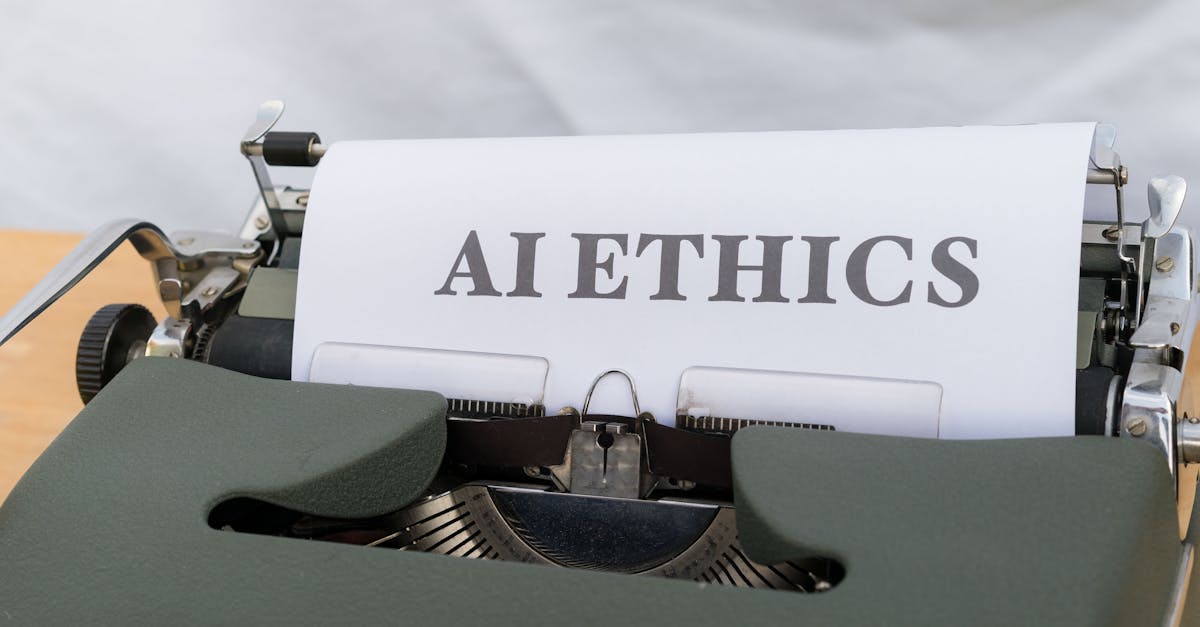
It is not all smooth sailing. Privacy concerns are at the forefront of the AI conversation. Users are increasingly wary of how their data is tracked and utilized. Additionally, if an AI is fed biased data, it will produce biased results. Ethical AI usage requires transparency and strict governance to ensure that efficiency does not come at the cost of consumer trust or fairness.
The Future Outlook of AI Marketing
The future of AI in marketing is heading toward total integration. We will see more voice commerce, augmented reality shopping experiences, and hyper realistic virtual influencers. The companies that learn to work with these tools today will be the ones leading the market tomorrow. It is not just about adopting a trend; it is about evolving with the infrastructure of the digital age.
How to Implement AI in Your Business Today
You do not need a massive IT team to get started. Begin by identifying your biggest bottlenecks. Are you struggling with content volume? Look into generative writing tools. Is your email list stagnant? Explore AI email platforms. Start small, measure your results, and scale the tactics that actually improve your ROI. Progress is better than perfection.
Conclusion: Embracing the Digital Shift
The role of AI in modern marketing is ultimately about enabling better connections. When used correctly, it removes the barriers between a business and its audience. By handling the heavy lifting of analysis and automation, AI allows marketers to focus on what matters most: telling stories and building relationships. We are entering an era where data and creativity finally work hand in hand. If you are willing to learn and adapt, the potential for growth is nearly limitless.
Frequently Asked Questions
1. Will AI eventually replace human marketers?
No, AI is a tool, not a replacement. Humans provide the creativity, empathy, and strategic direction that AI lacks. It automates tasks, not the marketing profession itself.
2. Is AI marketing expensive to implement?
Not necessarily. There are many affordable AI tools available, from free content generators to budget friendly analytics platforms, making it accessible even for small businesses.
3. How can I ensure my AI marketing is ethical?
Focus on transparency. Always inform users when they are interacting with AI, ensure data privacy regulations like GDPR are followed, and regularly audit your algorithms for potential biases.
4. What is the most important benefit of AI in marketing?
Efficiency. AI allows for the rapid analysis of huge datasets and the ability to personalize experiences at scale, which would be impossible for humans to do manually.
5. How do I start using AI if I am not tech savvy?
Start with user friendly tools like AI writing assistants or automated email marketing platforms. These are designed for business owners, not programmers, and have very intuitive interfaces.